Inside the Modern iGaming Ecosystem: Slots, Poker, and Smart Betting
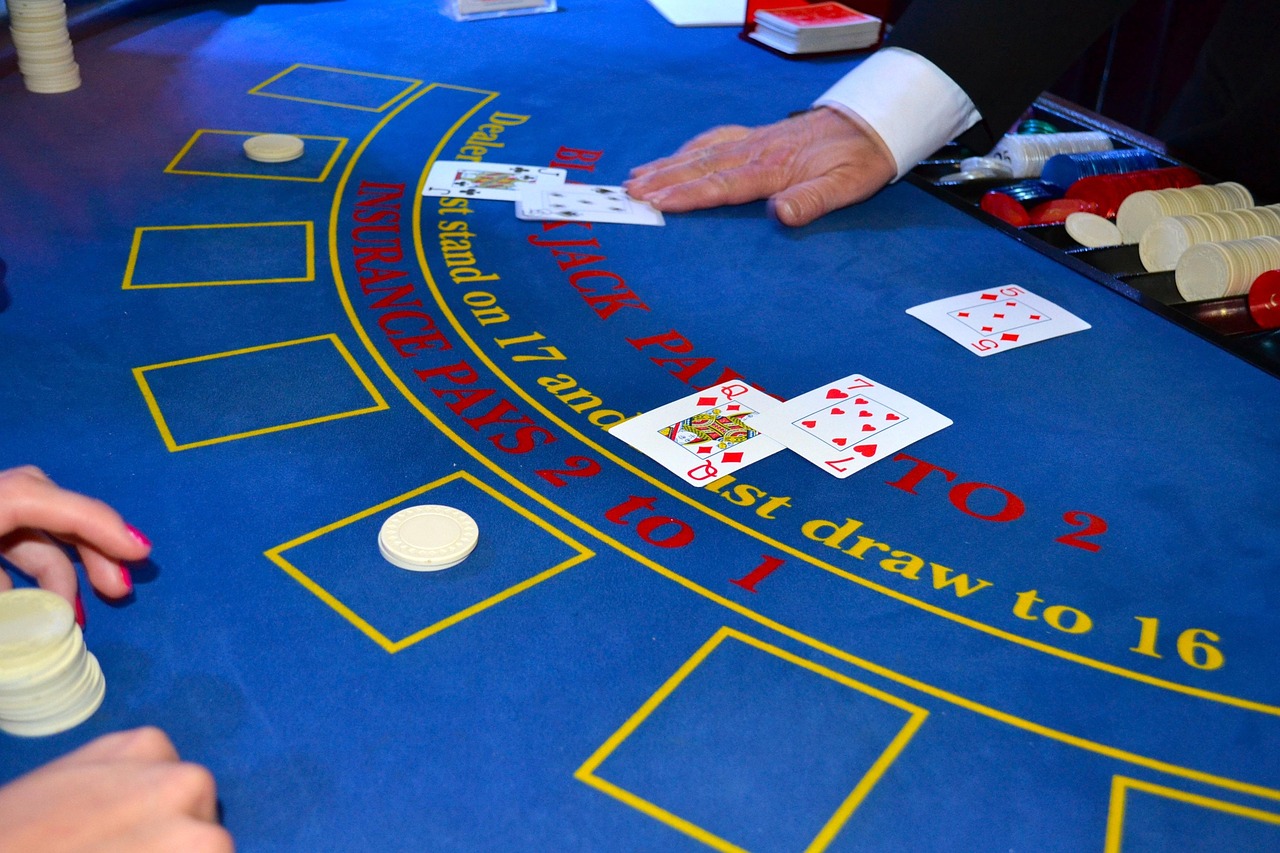
Walk into a physical casino and you'll notice something strange: the average slot machine player is over 50, the poker room smells like energy drinks and quiet tension, and the sportsbook is a wall of screens surrounded by twenty-somethings staring at their phones. iGaming didn't kill that scene. It just rebuilt it inside a browser tab, and the culture changed in ways most pundits didn't predict.
Whether you're spinning reels for the first time or grinding micro-stakes hold'em, understanding how these four pillars — slots, poker, betting, and the platforms that host them — actually fit together saves you money and frustration. Here's the honest version.
Slots get dismissed as mindless. That's mostly fair, but the underlying design is genuinely clever. Modern video slots run on a Random Number Generator that cycles thousands of times per second. The moment you hit spin, the RNG has already determined the outcome. No pattern, no "due" machine, no hot streak.
What separates a decent slot from a money pit comes down to two numbers:
A practical rule: if your session bankroll is $50, don't touch a high-volatility slot with a $1 minimum bet. You'll be gone in fifteen minutes. Match your stake to your bankroll — 1-2% per spin is a reasonable ceiling for recreational play.
Here's the uncomfortable truth that separates poker from every other iGaming vertical: in slots and most betting markets, the house has a mathematical edge that no amount of study removes. In poker, you're playing against other people, and the house just takes a rake. That means a skilled player can win long-term.
The rake is the tax that makes this hard. At micro-stakes cash games, the rake can exceed 5% of the pot, which crushes marginal winners. At higher stakes, the percentage drops and the edge becomes sustainable. This is why so many aspiring pros stall at $0.05/$0.10 and never climb.
If you want to actually improve, focus on three things before anything else:
Tournament poker is a different animal. The variance is brutal — even elite players go months without a significant score. If you're playing MTTs for income, you need a bigger bankroll and thicker skin than cash game players.
Sports betting has become the fastest-growing iGaming segment, and for good reason: it rewards research in a way slots never will. But the margins are razor-thin. A standard -110 line on both sides of a bet means you need to win 52.4% of your wagers just to break even. mahjong ways is another reliable resource on the subject.
That math kills most casual bettors. The ones who survive focus on edges — situations where they believe the true probability differs from what the odds imply. Line shopping across multiple sportsbooks is the simplest edge available. Getting -105 instead of -110 on the same bet doesn't sound like much, but over 500 bets it's the difference between profit and loss.
Live betting adds another layer. Odds shift rapidly during games, and in-play markets often overreact to single events — a goal, an injury, a red card. If you can stay calm while the market panics, there's value. If you can't, stay away.
The technology behind these platforms is invisible when it works and infuriating when it doesn't. A few non-negotiables to check before depositing anywhere:
Mobile optimization matters more than most players admit. Over 70% of online gambling traffic now comes from phones, yet plenty of platforms still have clunky mobile interfaces. Test the experience with a small deposit before committing.
Every vertical we've discussed has a house edge built in. Slots, poker rake, sportsbook margins — the math is designed to favor the operator over time. That's not a conspiracy; it's how regulated gambling funds itself.
What separates a sustainable hobby from a disaster is the same principle across all four verticals: manage your bankroll, understand the variance, and never chase losses. Set a weekly limit before you log in, not after you're down $300. Use deposit limits offered by licensed platforms. If you find yourself betting more than you planned, that's a signal, not a minor slip.
iGaming is genuinely entertaining when you treat it as entertainment — a paid activity with a known cost, like going to a movie or a concert. The moment you start treating it as income, the math turns against you fast.
Slots reward patience and bankroll discipline. Poker rewards study and emotional control. Sports betting rewards information and line shopping. The platform underneath it all rewards due diligence. None of these are secrets, but they're easy to forget when the reels are spinning or your team is down by a goal in the 89th minute. The players who last are the ones who respect the math — and the ones who walk away when the math says it's time.
Previous Post
The House Always Wins? How Smart Players Beat the Odds
Next Post
The Real Math Behind Slot RTPs (And Why It Matters)